
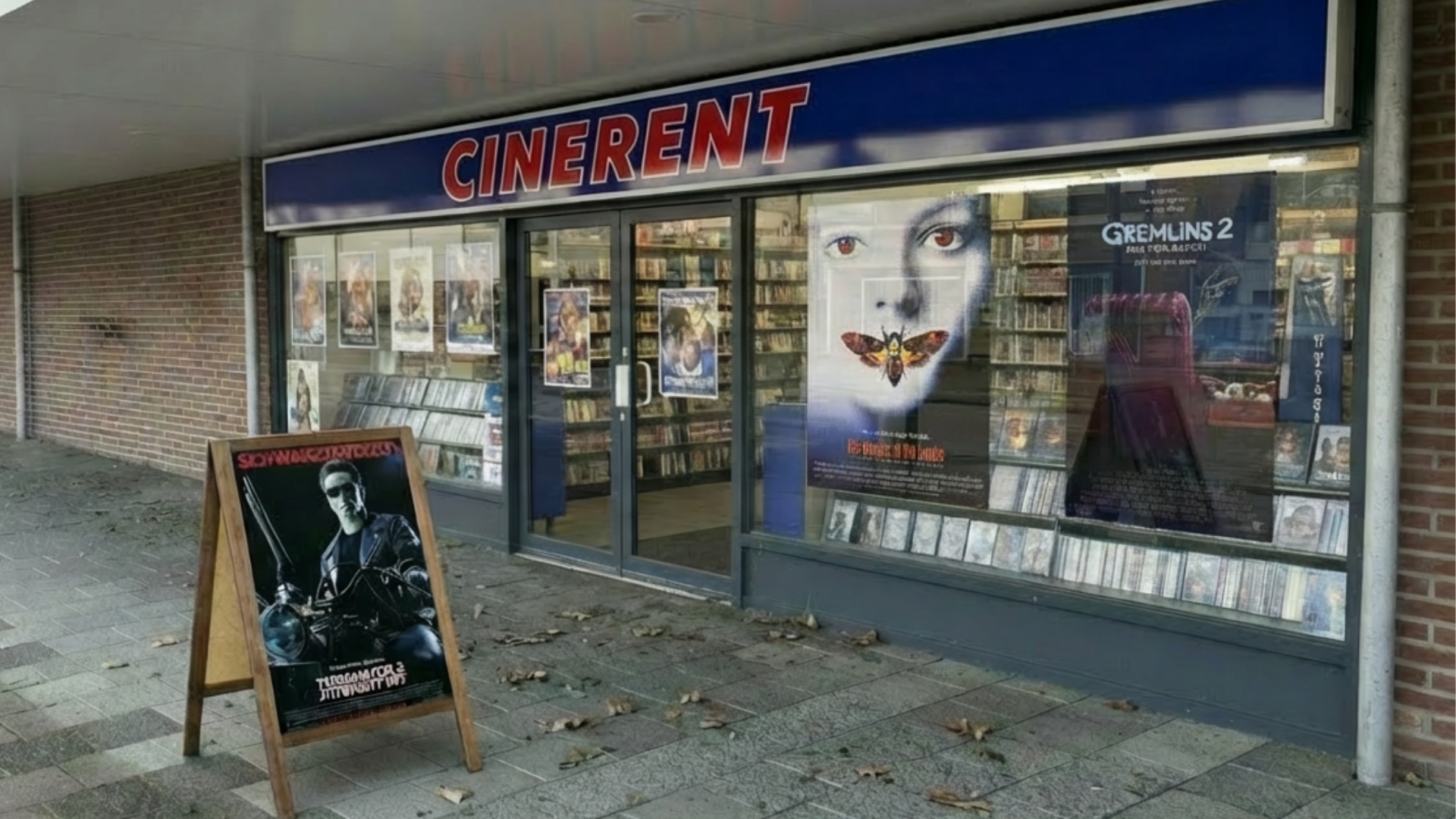
Imperfect, physical and alive. Every shelf carried traces of the people who had browsed it before you.
VIDEOSTATE / CREATIVE DNA
Raised betweenthe shelves.
The videostore wasn't an aesthetic. It was my first film school, my first encounter with worldbuilding - and the place where this studio really began.
01 / BEFORE THE FIRST TAPE
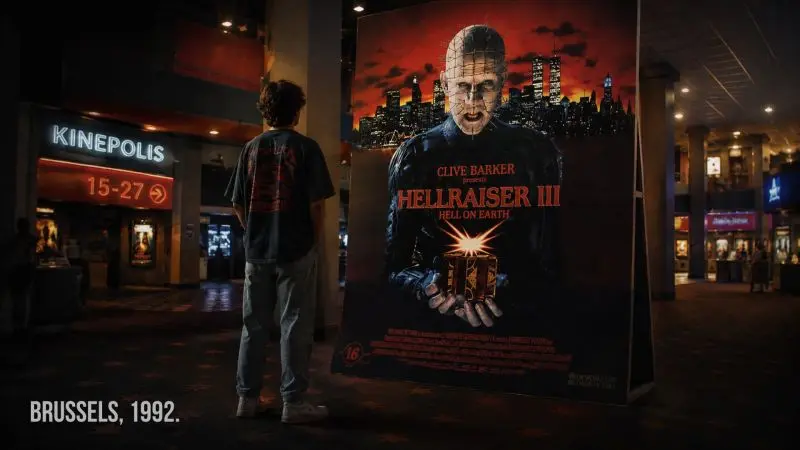
Cinema runs in the family.
Before the videostore taught me how to see films, cinema was already part of the family.
My grandmother loved horror. My grandparents took my brothers and me to the cinema. On my father's side, the connection reaches back even further: during the Second World War, my great-grandfather was part of a collective that helped save one of the Netherlands' most beautiful cinemas.
I like to think cinema found its way into the family before it found its way into me.
02 / BARENDRECHT · LATE 1980s
A television, a VCR and a new world.
Then my father bought a VCR. Films stopped disappearing when they left the cinema. We could bring them home, rewind them and go back in.
We collected empty bottles for deposit money so we could rent one more tape.
Someone who knew the shelves, remembered your rentals and understood what to put in your hands next.
People traded recommendations, warned each other about sequels and debated endings at the counter.
03 / THE COVER WAS THE FIRST TRAILER
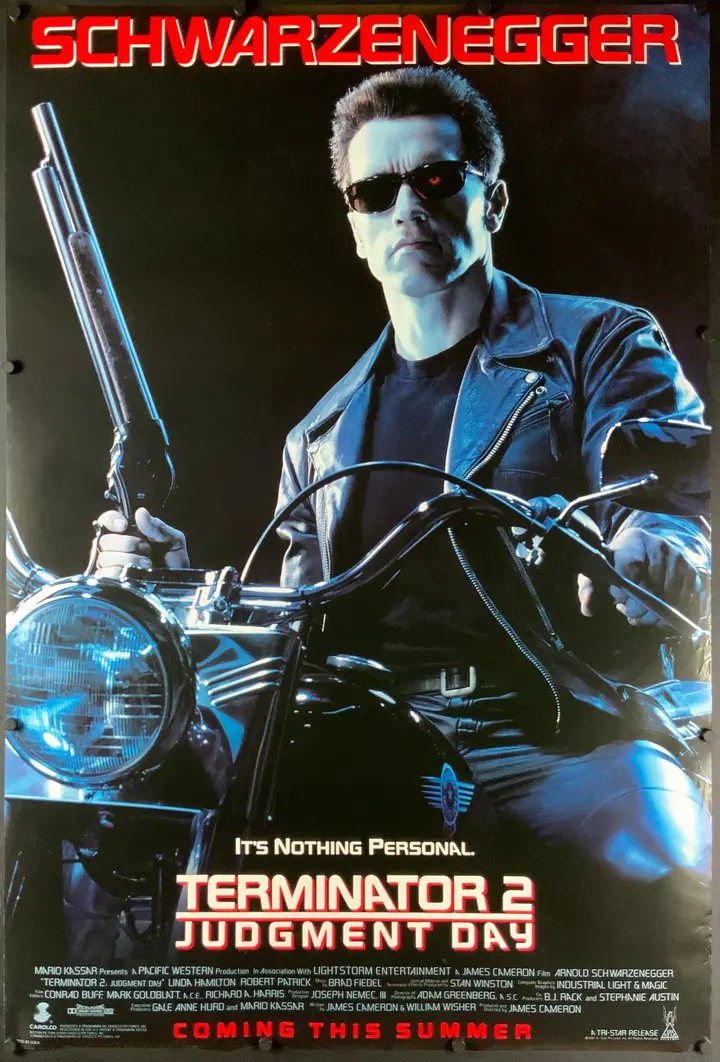
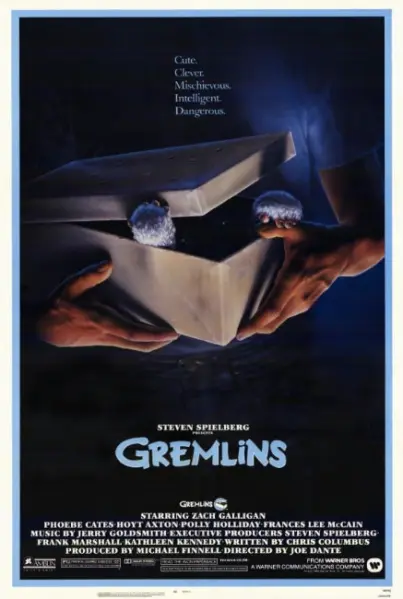
Before pressing play, the movie had already started.
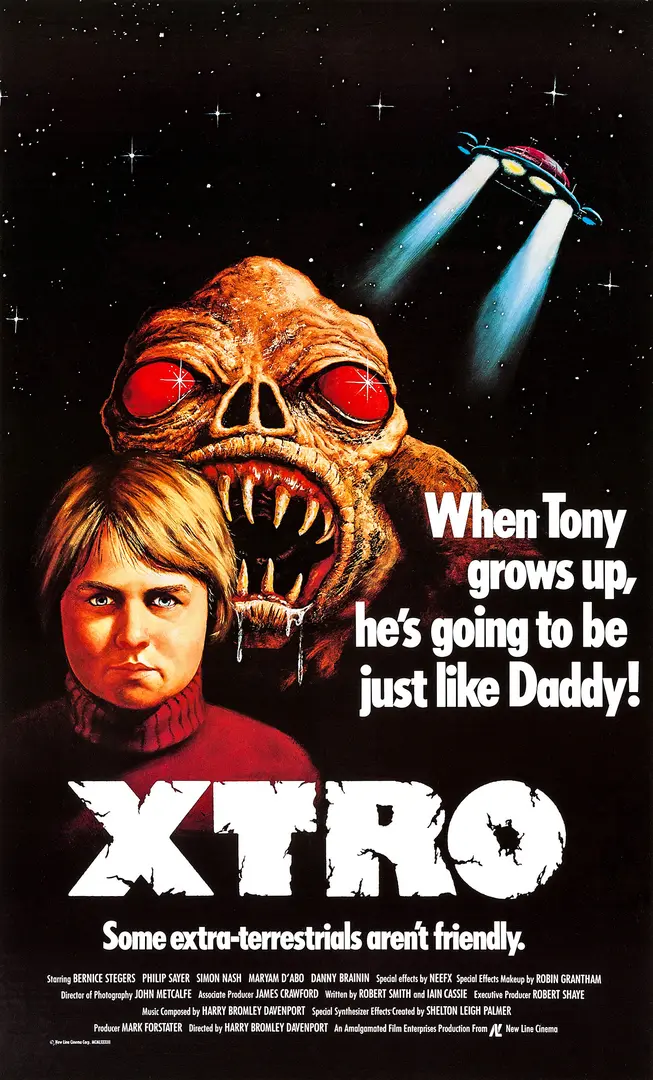
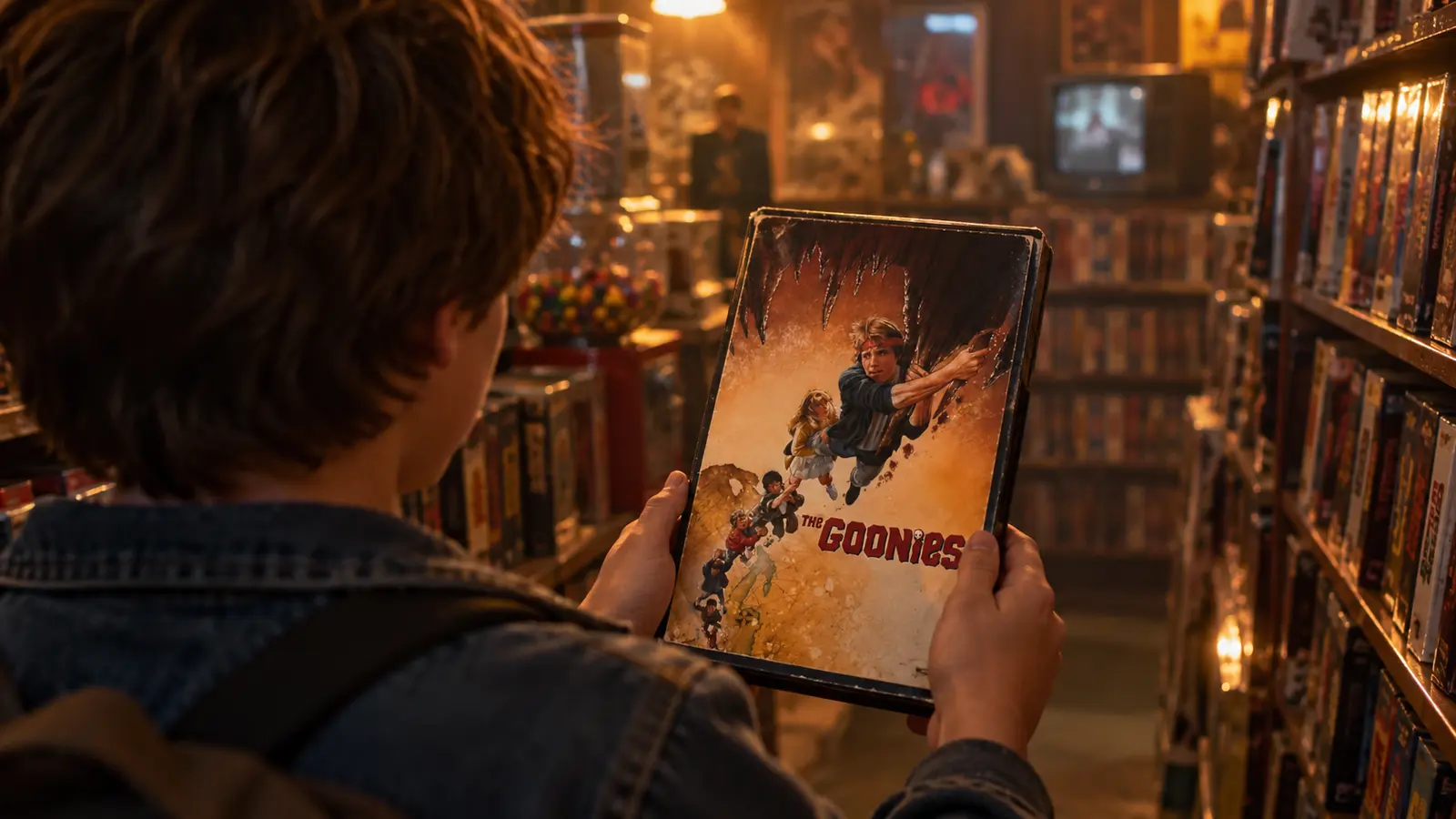
I studied covers before I understood that people designed them. A single image could suggest an entire world, a struggle and a reason to take the tape home.
04 / THE SHELVES
My first film school.
I read every line on the back of the boxes. Without realizing it, I was learning copywriting, composition, character design, visual language and worldbuilding.
The shelves also taught me something I still use in every project: there is no memorable story without something meaningful standing in the way.
The videostore taught me more about filmmaking than any classroom ever could.
05 / THE CREATIVE OPERATING SYSTEM
The store became a system.
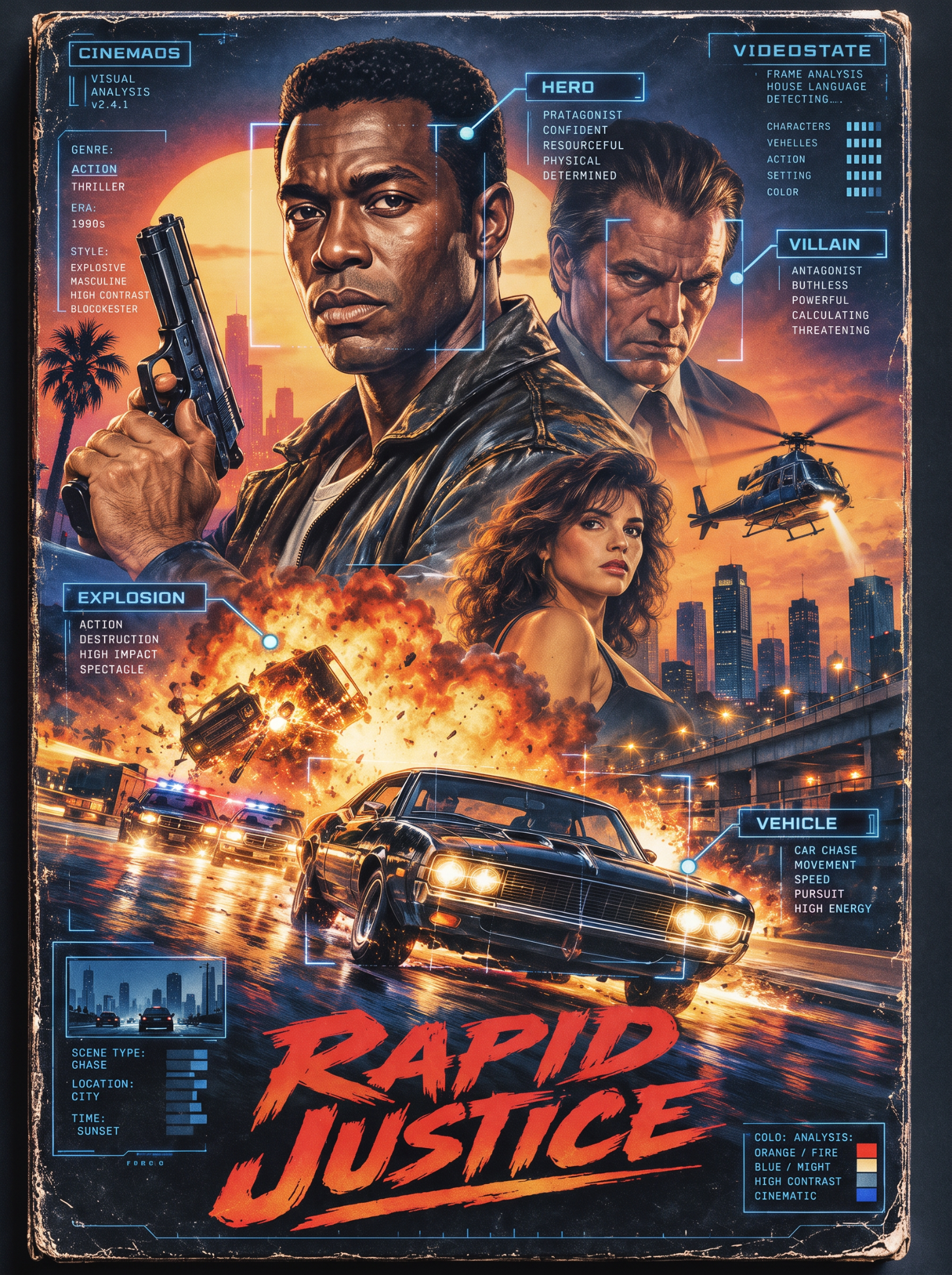
The videostore taught me a way of thinking: begin with a promise strong enough to pull someone toward the shelf. Understand the genre. Make the character readable in a single image. Build a world people want to enter. Then help the right audience find it.
I eventually formalised that creative DNA as CinemaOS. It is the system running through Videostate films and Film School: story, struggle, character, world, image and audience working together.
The tools have changed.The instinct has not.
06 / FROM THE SHELF TO THE SCREEN
The screen moved home.
Videostate titles now live beyond the browser through Escape.ai. The same instinct that once started with a VHS cover now reaches living-room screens.
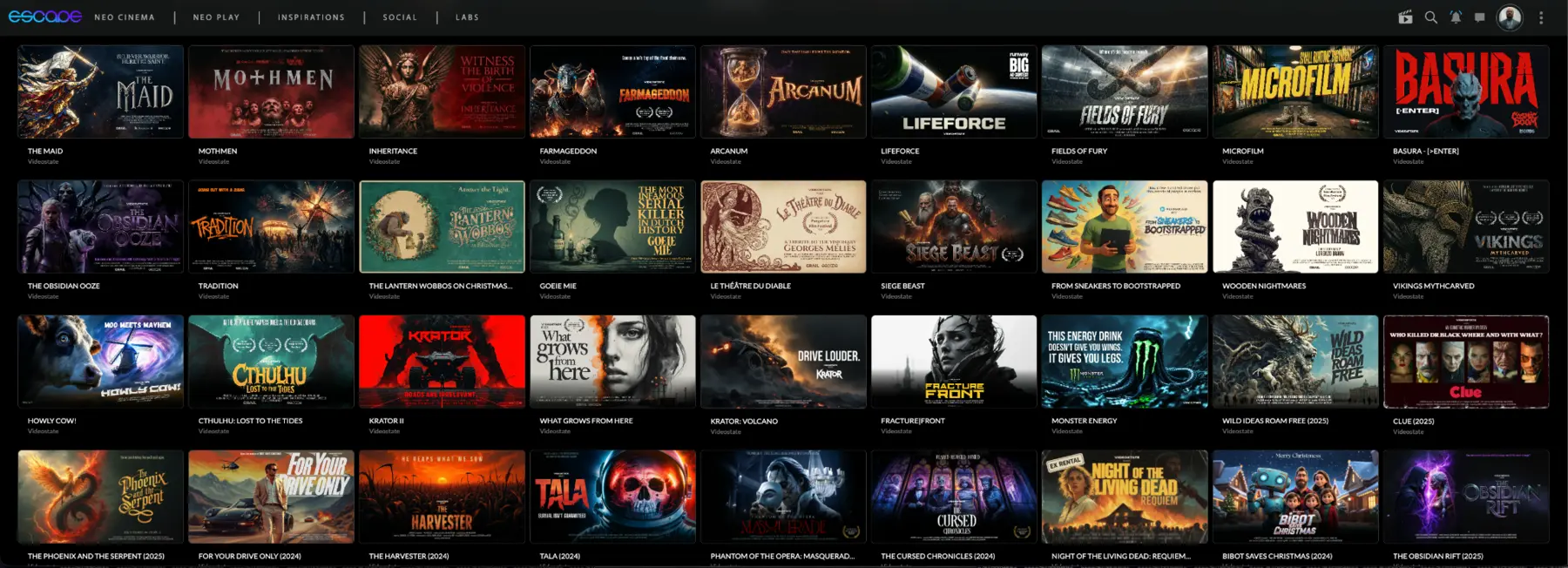
ROKUTHE ROKU CHANNELAMAZON FIRE TVSAMSUNG SMART TVLG SMART TVAPPLE TV · COMING SOON
VIDEOSTATE · NOW
The videostore has left the streets but never left me.
Those tapes are not valuable because they are retro objects. They are physical evidence of where my creative instincts came from. Videostate is what that childhood videostore eventually became.
Come in and make a movie →